

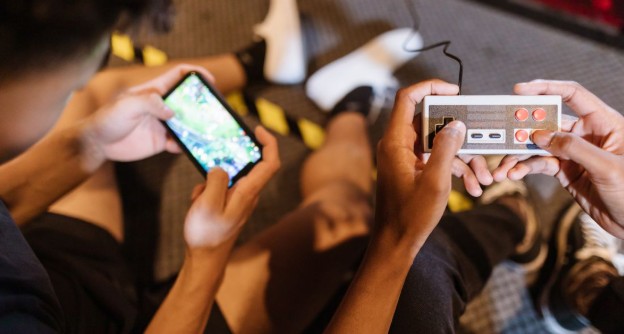
Have you ever noticed how online gaming can feel like a place where people show who they are, not just how they play?
That shift did not happen by accident. As games moved online, players gained more than faster matchmaking and bigger communities. They got spaces to talk, dress their avatars, build identities, and react in real time. In simple terms, online gaming became a stage where expression could happen through movement, voice, style, and strategy all at once.
What makes that interesting is how normal it has become. Players now use games to test personalities, signal taste, joke with strangers, and even tell stories without saying much at all. A match can be competitive, but it can also be social, performative, and surprisingly personal.
From Playing To Performing
Online games started as places to compete, but they quickly became places to perform identity, too.
Avatars As Self Portraits
Character creation gave players a simple but powerful tool: control over appearance. Hair, clothing, color choices, and accessories let people present themselves in ways that felt playful, idealized, or just different from daily life. For many players, an avatar is more than a digital piece on screen. It is a form of self-expression that can shift from game to game.
That is also why style matters so much in online play. A carefully chosen look can say a lot before a single word is typed. In some communities, an avatar becomes part of a player’s identity, almost like a digital signature.
Behavior As Identity
Expression is not only visual. It also shows up in how people play. Some players move boldly, some stay calm and tactical, and some build their reputation through humor or teamwork. Those patterns become visible to others, which means personality can show up through action as much as appearance.
That is one reason a player’s behavior in a match can feel so memorable. The way someone reacts under pressure, supports teammates, or handles a loss often says more than a profile bio ever could.
Communication Changed The Social Side
Once players could talk easily while playing, online games became much more expressive.
Voice, Text, And Quick Reactions
Chat tools let players joke, tease, cheer, and coordinate in real time. Short messages and voice lines can carry tone, mood, and personality in ways that static text alone cannot. Even a simple reply can build a sense of character.
In many groups, communication style becomes part of the fun. Some players are quiet and focused. Others are fast, loud, and full of banter. Both approaches are forms of expression, and both help make multiplayer spaces feel human rather than mechanical.
Shared Humor And Inside References
Online groups also create their own slang, jokes, and habits. Those shared habits act like social glue. They help people feel included and give the group a personality of its own. Over time, players often remember the people they played with because of how they spoke, reacted, and carried themselves.
If you want a simple example of how personal online play can feel, look at communities built around custom tags and identity markers, like tangandewa. Even small naming choices can help shape how players present themselves to others.
Creativity Became Part Of The Experience
Many games now give players tools that go far beyond play alone.
Building, Editing, And Storytelling
Players make maps, rooms, skins, clips, screenshots, and short videos that show off taste and skill. These creations often say as much about the creator as any direct statement could. A clever build or funny clip can reveal a sense of humor, technical skill, or artistic eye.
That creative layer matters because it gives players another way to stand out. Instead of only chasing scores, they can shape the experience itself and leave a personal mark on it.
Culture Spreads Through Play
Online gaming expression also travels across regions and age groups. A gesture, phrase, or visual style can move from one group to another very quickly. That makes games feel like living spaces where culture is always being remixed by the people inside them.
Later, that same personal style can show up in fan art, clip edits, profile themes, and community posts. A player is no longer just a participant in a match. They are also part of a wider creative conversation.
Final Thoughts
People now use games to explore confidence, belonging, humor, and style in spaces that feel active and social. That does not mean every session is deep or emotional. It means even ordinary play can carry personal meaning. Online gaming became a global stage because it gives people room to act like themselves, act like someone else, or act somewhere in between. That freedom is a big part of why these spaces keep growing, and why expression remains at the center of the experience.
