
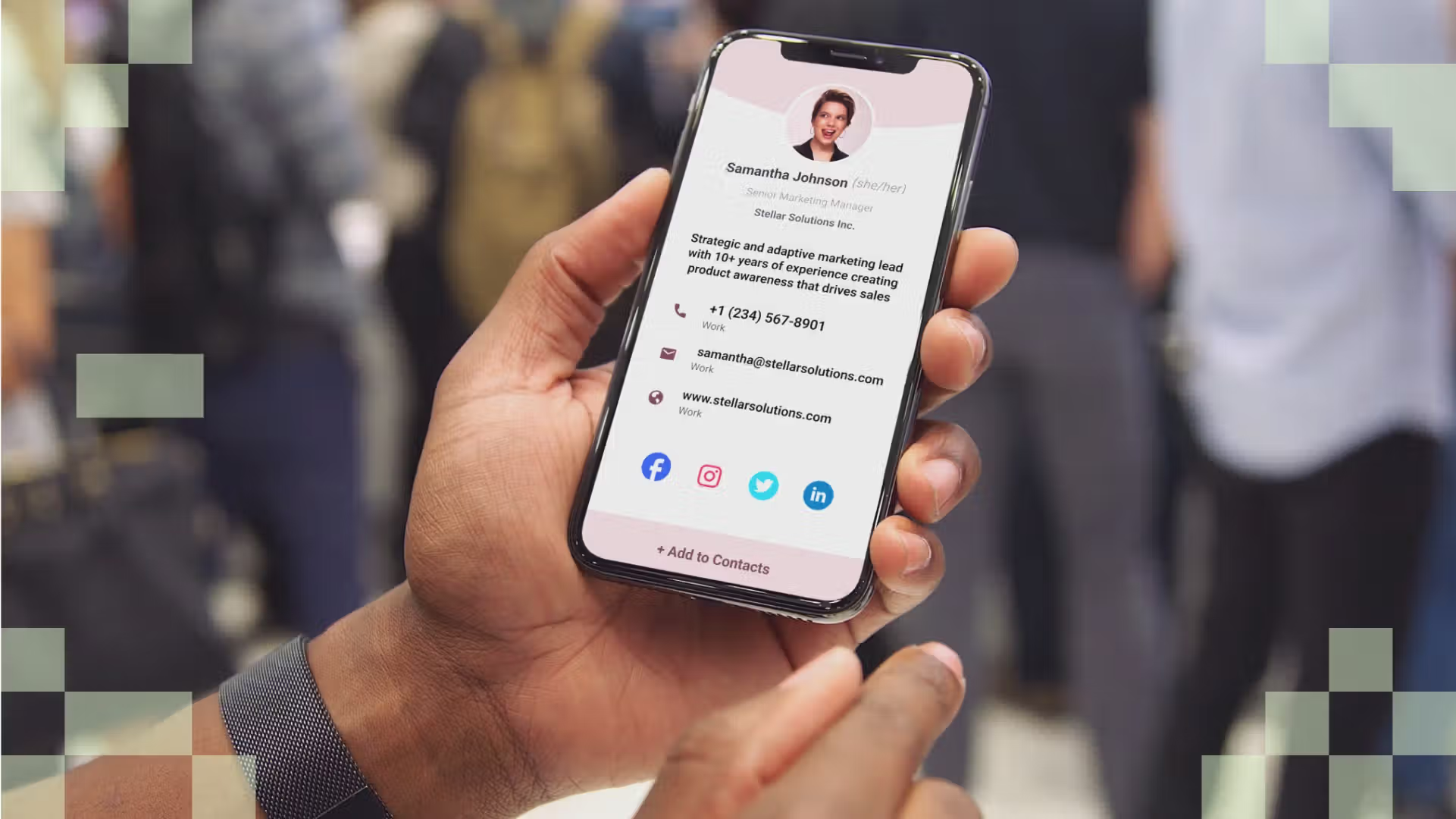
A digital business card for events changes trade show networking by replacing stacks of paper cards with one scannable profile that saves instantly into a phone. Event professionals now treat this shift as a practical fix for a problem every conference attendee knows well, which is a pocket full of cards that never get followed up on.
Trade shows and conferences move fast. A person might meet forty new contacts in a single day, and remembering who was who becomes nearly impossible once the badges come off and the flight home begins. Paper cards make this worse, since a name and a phone number on a small card gives no context by the time someone gets back to their desk. A digital business card solves this by capturing far more than a name, often including a photo, a company logo, a short note about what was discussed, and a direct link to schedule a follow-up call.
Why In-Person Lead Capture Needed an Upgrade
In person lead capture used to mean handing over a card and hoping the other person remembered the conversation later. Sales and marketing teams attending trade shows now use a digital business card for networking that lets them scan a badge or tap a phone and instantly save the contact along with a timestamp and event name. This turns a hallway conversation into a structured lead entry rather than a card that gets lost in a bag.
Speed of Contact Exchange Changes the Room
Conference networking tools built around digital cards remove the awkward pause of searching for a printed card in a bag or wallet. A tap or scan takes seconds, which means more conversations happen in the same amount of floor time. Event organizers running large trade shows report that attendees using digital cards tend to collect more usable contacts per day simply because the exchange itself takes far less time than manually typing a number into a phone.
If your team is preparing for an upcoming event season, you can set up this free digital business card platform before the show floor opens rather than scrambling for printed cards at the last minute.
Trade Show Lead Capture Beyond the Show Floor
Trade show lead capture does not end when the booth closes for the day. A digital card creates a saved contact with a link back to a full profile, so a follow-up email a week later still has context, since the recipient can revisit the card, see the company details, and remember the conversation. This event networking app style approach turns a single scan into a lasting record rather than a card that gets thrown out during a luggage clear-out at the airport.
Follow Up Automation Closes the Loop
The biggest weakness of paper cards was never the exchange itself, it was the follow-up that never happened. Follow up automation built into digital business card platforms lets a person send a thank-you message or a calendar link within minutes of the exchange, while the conversation is still fresh for both sides. Conference technology trends over the past two years show a clear move toward this kind of immediate, automated follow-up, since delayed outreach after an event tends to get far lower response rates.
What Event Teams Should Set Up Before the Next Show
Teams heading into their next conference season should assign each attending employee a digital card ahead of time, test the tap or scan process before the event, and confirm that saved contacts sync back to a shared team list rather than staying scattered across individual phones. This small setup step avoids the common problem of leads sitting unused in someone’s personal contacts long after the event ends.
FAQs
Does a digital business card work at events with poor phone signal? Yes, in most cases. NFC taps do not require an internet connection, and many QR-based cards cache the profile so it still loads even with a weak signal, since the card data was already saved locally.
Can a whole team use matching digital cards at one event? Yes. Teams typically set up a shared template with consistent branding, then each employee gets their own card, which keeps the company presentation consistent across every conversation at the booth.
How does a digital card help after the event ends? It keeps a live link to the contact’s profile, so any updates to their job title or company are reflected automatically, unlike a printed card that becomes outdated the moment someone changes roles.
A digital business card for events is now less of a novelty and more of a standard expectation, since attendees increasingly assume the person across the table will offer a scan or a tap rather than reaching for a paper card.
