

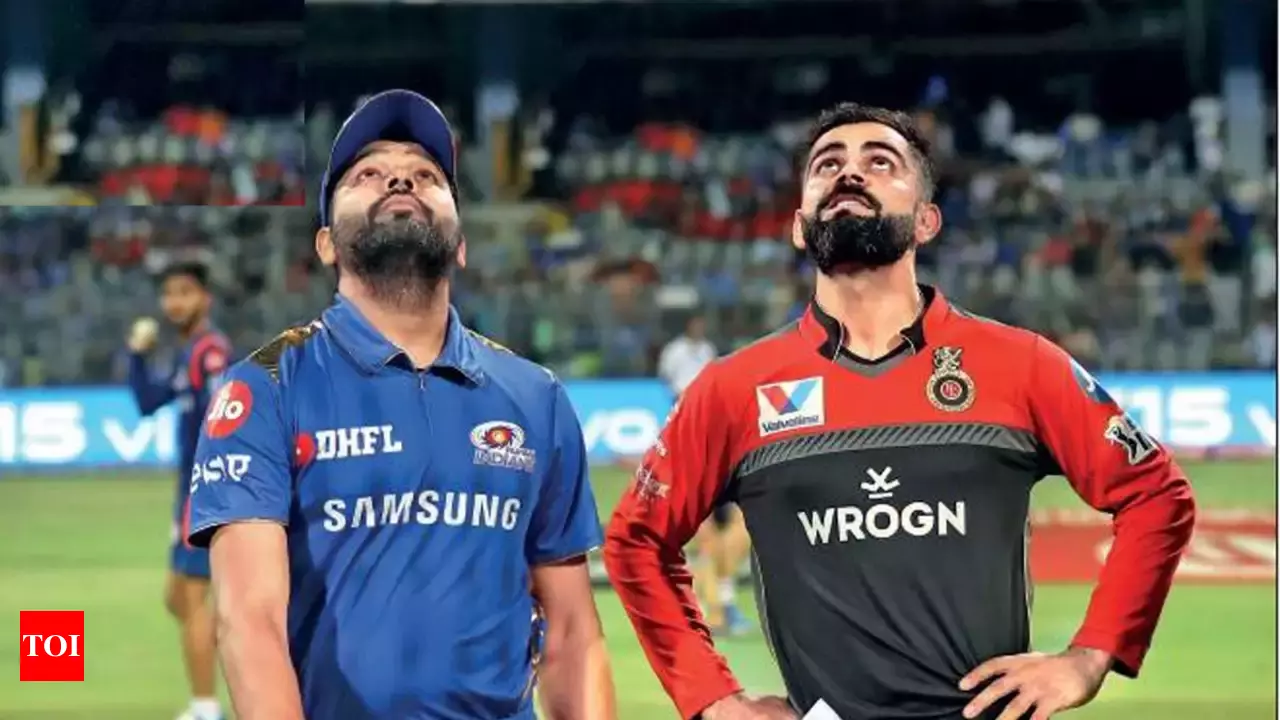
The Indian Premier League (IPL) has long been recognized as a cricketing extravaganza, captivating millions of fans each year with its high-octane matches, star-studded rosters, and blockbuster entertainment. But in recent years, the IPL has evolved beyond just cricket. As it continues to dominate the sports landscape in India, the IPL’s influence extends far beyond the boundaries of cricket, shaping the future of sports culture, investment, and infrastructure in the country.
The IPL’s impact on India’s sporting ecosystem is profound, making it one of the key drivers of change in sports. From fostering new talent and transforming sports marketing to inspiring the growth of other sports leagues, the IPL’s effect is reshaping India’s sports industry in ways that go beyond the sport itself. Let’s explore how the IPL is influencing India’s broader sports landscape.
1. IPL as a Catalyst for Sports Commercialization
One of the most significant contributions of the IPL is the commercialization of sports in India. When the league was launched in 2008, it marked a paradigm shift in how sports were marketed in the country. The IPL revolutionized sports broadcasting, sponsorships, and fan engagement.
-
Broadcasting and Media Rights: The IPL set a new standard for broadcasting rights, with multi-billion-dollar deals from television networks and streaming platforms. The way the IPL is televised and streamed online has become a model for other sports leagues to follow, not just in cricket but across other sports.
-
Sponsorship and Branding: The IPL brought in a wave of commercial sponsorships, with brands from diverse sectors—technology, apparel, and even e-commerce—signing lucrative deals with teams. As a result, sponsors have shown interest in partnering with other sports leagues, recognizing the potential for sports to serve as a powerful advertising platform.
-
Merchandising and Fan Engagement: The IPL has shown how to engage fans on multiple levels—from in-stadium experiences to mobile apps, social media platforms, and fantasy sports. This comprehensive fan engagement model has now become a reference point for all sports leagues in India, creating a fertile ground for merchandise sales, ticketing, and fan interactions.
The IPL has demonstrated the potential of sports as a commercial venture, paving the way for other leagues in India to leverage similar strategies.
2. Inspiring the Rise of Other Sports Leagues
While cricket has been the dominant sport in India, the IPL’s success has encouraged the growth of other sports leagues in the country. The IPL proved that a well-organized, franchise-based league could not only succeed but become a cultural phenomenon, inspiring other sports to adopt similar models. Here are a few notable examples:
-
Pro Kabaddi League (PKL): One of the most successful sports leagues in India, the Pro Kabaddi League draws inspiration from the IPL. Kabaddi, a sport that was traditionally popular in rural India, has experienced a renaissance due to the IPL-style format, massive media coverage, and star power brought to the league. PKL’s growth has been exponential, with sponsorship deals, broadcasting rights, and fan attendance reaching new heights.
-
Indian Super League (ISL): Football in India has struggled for years to gain mainstream popularity, but the Indian Super League, launched in 2014, saw its fan base expand exponentially. Borrowing elements from the IPL’s structure, such as celebrity team owners and high-profile international players, the ISL has become a significant player in the country’s sports landscape. It has led to greater investments in football infrastructure and has also created opportunities for young Indian footballers to showcase their talent.
-
Pro Wrestling League (PWL): Wrestling in India is deeply rooted in tradition, and the Pro Wrestling League has taken a cue from the IPL’s success to grow the sport in a more organized, commercialized way. With its focus on star wrestlers and televised matches, PWL has helped bring greater recognition to Indian wrestling on both a national and international level.
The success of these leagues indicates a larger trend—franchise-based leagues, much like the IPL, are being adopted in other sports, creating a more diversified sports ecosystem in India.
3. Talent Discovery and Nurturing New Athletes
The IPL has served as a major platform for discovering and nurturing new talent, not just in cricket but across other sports. While the IPL’s primary focus remains on cricket, it has become a launchpad for young athletes who may not have had the opportunity to showcase their skills otherwise.
-
Player Development: The IPL has given young cricketers a platform to perform on the big stage, with many players going on to represent the Indian national team. The IPL’s scouting system and the presence of international mentors have played a crucial role in identifying and honing cricketing talent. The league’s franchise structure also provides players with opportunities to interact with top coaches, thereby accelerating their development.
-
Cross-Sport Influence: Beyond cricket, the success of IPL-inspired leagues has also helped in talent scouting in other sports. The PKL and ISL have facilitated the discovery of athletes from non-metro areas, offering them the chance to compete at the national and international levels. This emphasis on grassroots talent has resulted in the rise of athletes from small towns, contributing to the diversification of talent across India’s sporting disciplines. Explore ZAcomebacks and become part of our community. Together, we can make every conversation a memorable one.
The IPL’s influence extends beyond professional players. It has set a precedent for other leagues to build structured systems for identifying, nurturing, and showcasing talent at all levels.
4. Infrastructure and Sports Tourism
The IPL has had a ripple effect on India’s sports infrastructure. The demand for top-quality stadiums, practice facilities, and technology has increased, prompting both private and public sector investments. These developments are now being used to benefit other sports as well.
-
Stadium Upgrades: IPL franchises and the Board of Control for Cricket in India (BCCI) have invested heavily in upgrading stadiums across the country, improving facilities not just for cricketers but also for fans. This has helped set the stage for other leagues, such as the PKL and ISL, to use these upgraded stadiums for their matches.
-
Sports Tourism: The IPL has also played a key role in transforming sports tourism in India. The league has attracted tourists from around the world, contributing to the growth of hospitality, transportation, and local economies. This has extended to other leagues as well, as international players, coaches, and fans flock to India for various sporting events, further boosting the nation’s tourism sector. Infosphare, your go-to destination for insightful and engaging content across a broad spectrum of topics.
India’s sports infrastructure is being steadily transformed to meet international standards, thanks to the massive investments triggered by the IPL.
5. Changing Attitudes Towards Sports and Fitness
Perhaps one of the most significant cultural shifts sparked by the IPL is the changing attitude toward sports and fitness in India. The league has made sports more mainstream, not only for entertainment but as an essential part of a healthy lifestyle.
-
Fitness Culture: The IPL’s focus on fitness, agility, and mental strength has inspired a nationwide fitness revolution. People across India are now more likely to join gyms, participate in fitness challenges, and adopt healthier lifestyles—something that was once limited to urban centers.
-
Broadening Sports Horizons: Cricket’s massive following in India often overshadowed other sports, but the IPL’s success has shown the potential of other sports. The enthusiasm generated by the IPL has helped elevate the status of other sports and has encouraged young people to take up sports beyond cricket.
The IPL has played an important role in helping shape a more sports-conscious society that values physical fitness and sportsmanship.
Conclusion
The IPL has transcended its roots as a cricketing spectacle, playing an instrumental role in transforming India’s sports landscape. Through its commercialization of sports, support for the development of other sports leagues, and investment in infrastructure and talent, the IPL has influenced a cultural shift toward greater sports participation and investment in India. As the IPL continues to expand its reach, its impact will likely be felt even more in 2025, with the potential to inspire further growth and diversification in India’s sports ecosystem.
For entrepreneurs, investors, and policymakers, the IPL represents not just a cricketing phenomenon but a powerful force driving innovation, creating opportunities, and reshaping India’s sports future. It’s clear that the IPL’s influence will continue to extend far beyond the boundary ropes, helping shape India into a sporting powerhouse.
