

🌟 Introduction: The Power of AI in Business
Artificial Intelligence (AI) has emerged as one of the most transformative technologies in the modern business landscape. From streamlining operations to revolutionizing customer service, AI is not just a futuristic concept — it’s already here and reshaping the way businesses operate.
In 2025 and beyond, AI is expected to play an even larger role in both back-end operations and customer-facing activities. By automating routine tasks, analyzing large volumes of data, and improving decision-making, AI empowers businesses to deliver better results, enhance customer satisfaction, and gain a competitive edge.
Let’s explore how AI is making a significant impact in two critical areas: business operations and customer service.
1. Streamlining Business Operations with AI
AI technology can simplify and enhance business operations in a variety of ways. It’s particularly effective in automating tasks, optimizing workflows, and improving overall efficiency. With AI, companies can reduce human error, cut costs, and boost productivity.
Key Areas Where AI is Enhancing Operations:
1.1 Process Automation
AI-powered automation tools are helping businesses eliminate repetitive and time-consuming tasks. For example, AI can be used in:
-
Data Entry and Processing: AI systems can quickly input and organize data without human intervention, reducing manual errors and freeing up employees to focus on more strategic tasks.
-
Inventory Management: AI can monitor stock levels, predict demand, and automatically reorder products, improving supply chain efficiency.
-
Finance and Accounting: Automated tools powered by AI can process invoices, track expenses, and even forecast financial trends, ensuring that businesses remain financially agile.
By automating these operational tasks, businesses not only save time but also reduce operational costs and improve accuracy.
1.2 Predictive Analytics for Smarter Decision-Making
AI’s ability to analyze vast amounts of data can help businesses make more informed and data-driven decisions. Predictive analytics, for instance, can help companies:
-
Forecast Demand: AI can analyze historical data and predict future demand, allowing businesses to plan production schedules, manage inventory, and adjust marketing strategies accordingly.
-
Optimize Marketing Campaigns: AI can analyze customer behavior, segment audiences, and predict which campaigns are likely to yield the best results.
-
Supply Chain Optimization: AI can predict disruptions in supply chains and suggest adjustments, improving overall logistics and efficiency.
With AI’s insights, businesses can make more accurate and timely decisions that drive growth and efficiency.
1.3 Smart Workflow Management
AI-enabled tools are also being used to streamline workflows and project management. AI systems can prioritize tasks based on urgency, allocate resources effectively, and even identify bottlenecks before they become significant issues.
Tools like AI-driven project management platforms and collaboration tools help teams stay organized, manage deadlines, and collaborate more efficiently.
2. Transforming Customer Service with AI
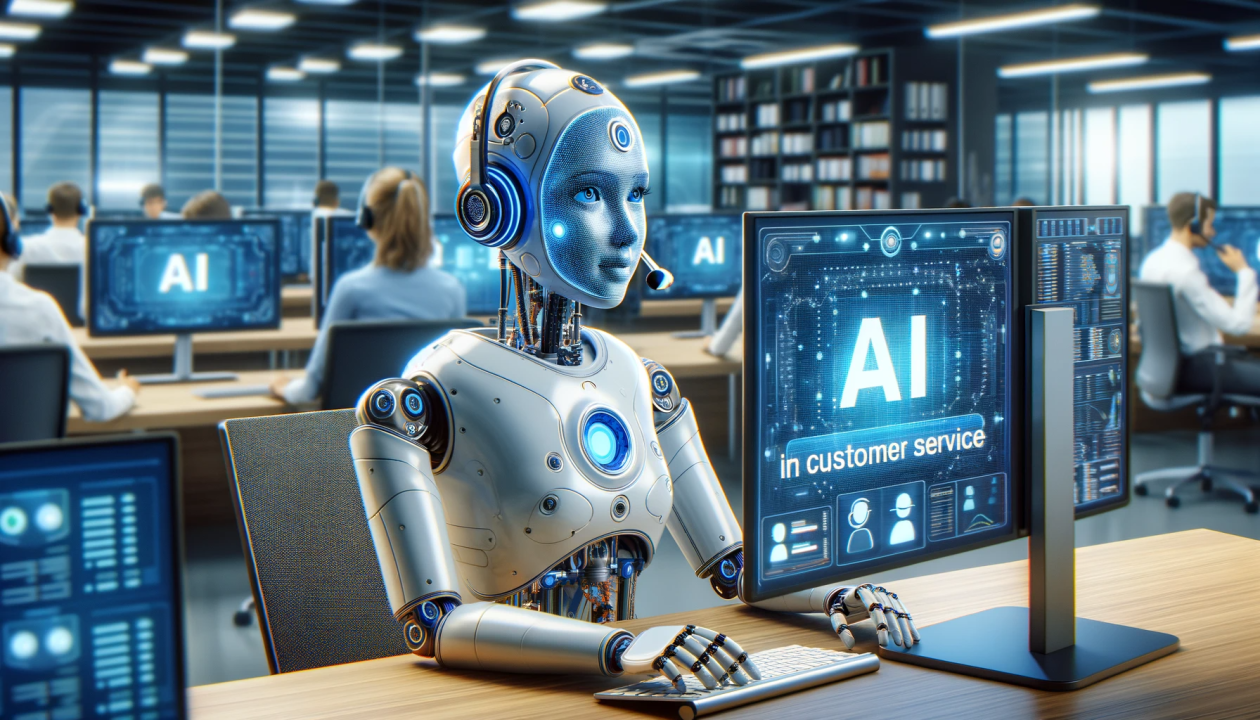
AI is significantly reshaping how businesses interact with customers. From chatbots to personalized experiences, AI is helping companies provide faster, more efficient, and more engaging customer service. Let’s take a look at how AI is transforming the customer service industry.
Key Applications of AI in Customer Service:
2.1 AI-Powered Chatbots and Virtual Assistants
One of the most widely recognized applications of AI in customer service is the use of chatbots. These AI-driven virtual assistants can provide real-time support to customers on websites, mobile apps, or social media platforms. They’re capable of handling a wide range of inquiries, from answering basic questions to providing detailed product information or troubleshooting common issues.
-
24/7 Availability: Unlike human agents, AI chatbots are available round-the-clock, ensuring customers receive assistance whenever they need it.
-
Handling Volume: Chatbots can manage high volumes of inquiries simultaneously, reducing wait times and improving the overall customer experience.
-
Instant Resolution: AI-powered bots can quickly solve common problems without the need for human intervention, allowing customers to get answers faster.
By automating these interactions, businesses can significantly reduce response times and improve customer satisfaction while lowering operational costs.
2.2 Personalized Customer Experiences
AI has the power to transform the way businesses personalize their interactions with customers. By analyzing customer data — such as purchasing history, preferences, and browsing behavior — AI can help businesses create customized experiences tailored to each individual customer.
-
Personalized Recommendations: AI can suggest products or services based on a customer’s past behavior, preferences, and similar users. For example, platforms like Amazon and Netflix use AI to recommend products and content based on customer activity.
-
Dynamic Pricing: AI can analyze market trends, competitor pricing, and demand fluctuations to offer personalized pricing, discounts, or promotions to individual customers.
This level of personalization not only enhances the customer experience but also drives increased sales and customer loyalty.
2.3 Voice Assistants and Natural Language Processing (NLP)
Voice assistants like Amazon Alexa, Apple Siri, and Google Assistant are becoming common tools for businesses to engage with customers. AI-powered voice recognition and Natural Language Processing (NLP) enable customers to interact with businesses through voice commands, making customer service even more accessible and efficient.
-
Voice-Activated Support: Customers can ask questions or place orders via voice commands, allowing for hands-free, convenient service.
-
Sentiment Analysis: AI can analyze customer conversations in real-time and identify emotions or sentiment, helping agents address issues more effectively and empathetically.
Voice assistants, combined with AI’s understanding of human language, can offer an intuitive and seamless customer service experience.
3. AI-Driven Insights for Continuous Improvement
AI not only improves the current state of business operations and customer service but also provides businesses with the insights they need to continuously improve. By analyzing customer feedback, interaction patterns, and behavioral data, AI systems can identify trends and suggest areas for improvement.
Areas AI Can Help Continuously Improve:
-
Customer Feedback Analysis: AI can analyze reviews, surveys, and social media interactions to gauge customer satisfaction and identify common pain points.
-
Employee Performance: AI can track and assess customer service agents’ performance, providing valuable feedback to help improve training programs and operational processes.
-
Customer Journey Mapping: AI helps map out the entire customer journey, identifying where vibromedia customers may encounter friction and recommending solutions to improve retention.
With AI-driven insights, businesses can continuously optimize their operations and deliver exceptional customer experiences.
📝 Conclusion: The Future is AI-Driven
AI is no longer just a tool for large corporations — it’s now accessible to businesses of all sizes, offering transformative opportunities across operations and customer service. By automating tasks, enhancing customer experiences, and providing valuable data insights, AI is positioning businesses for greater efficiency, competitiveness, and growth in 2025 and beyond.
For businesses looking to stay ahead of the curve, embracing AI is not just an option — it’s a necessity. The question is no longer whether AI will transform your business, but how quickly you will adopt it to stay competitive and thrive in the rapidly evolving business world.
