

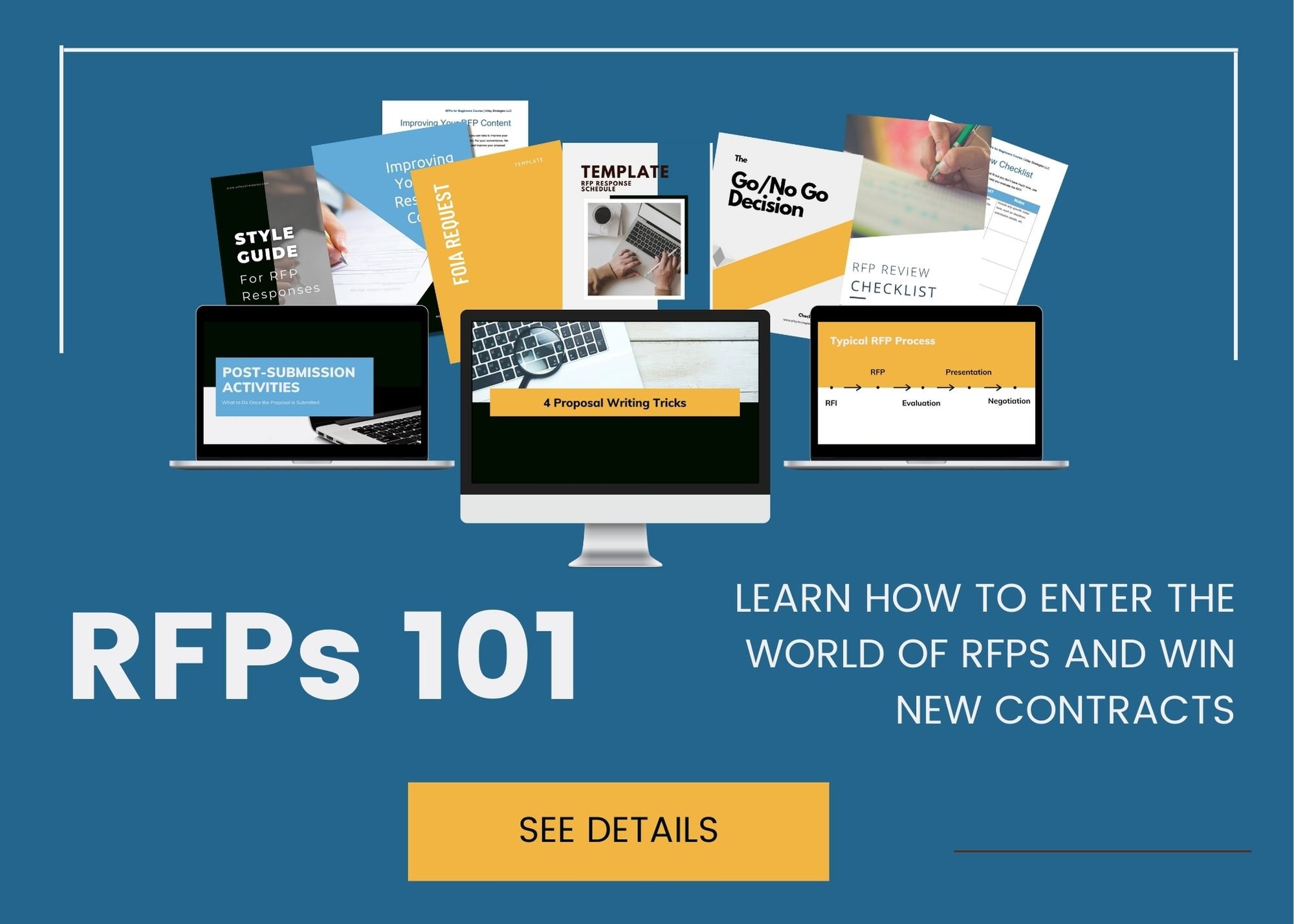
Winning government contracts begins with mastering the art of responding to Requests for Proposals (RFPs). For many businesses, government proposals represent a significant opportunity to expand their market reach and revenue streams. However, the process can be complex and competitive. Success depends heavily on your ability to thoroughly understand the RFP and craft a tailored response that meets the government’s requirements and expectations. This skill is a critical part of government proposal development and can make the difference between winning a contract and missing out.
The first step in reading an RFP is to carefully review every section. These documents are comprehensive and detailed, covering everything from the scope of work to submission deadlines, evaluation criteria, and compliance requirements. Skimming or ignoring details can lead to costly mistakes. Pay particular attention to the statement of work (SOW) or performance work statement (PWS), which outlines exactly what the government wants to accomplish. Understanding the SOW is essential for tailoring your solution and demonstrating how your company meets the agency’s needs.
Next, identify the evaluation criteria. Most government RFPs specify how proposals will be scored and what factors matter most, such as technical approach, past performance, management plan, and pricing. Understanding these criteria helps you prioritize your content. For example, if technical expertise carries the most weight, your proposal should highlight your team’s relevant skills and experience upfront.
Another critical component of government proposal development is compliance. RFPs often include strict formatting and submission rules—such as page limits, font size, document structure, and required forms. Failure to comply with these guidelines can lead to outright disqualification, regardless of the quality of your solution. Create a compliance checklist based on the RFP instructions and use it to review your draft thoroughly before submission.
After digesting the RFP requirements, begin drafting your response. Organize your proposal according to the government’s instructions, ensuring that each section directly addresses the evaluation criteria. Use clear, concise language and avoid jargon unless it’s industry-specific and necessary. Where possible, incorporate measurable outcomes, case studies, and client testimonials to provide evidence of your company’s capabilities.
Pricing is another area that demands careful attention. Ensure your cost proposal aligns with the technical approach and meets the government’s budget expectations. Transparent and well-justified pricing helps build trust and demonstrates professionalism.
Throughout the writing process, collaborate with your team. Engage subject matter experts, finance professionals, and editors to review and refine your proposal. Multiple perspectives can catch errors and improve clarity.
Finally, submit your proposal well before the deadline. Last-minute technical issues or misunderstandings about submission platforms can jeopardize your chances.
In summary, reading and responding to a government RFP requires diligence, attention to detail, and strategic planning. By fully understanding the solicitation, aligning your response with evaluation criteria, and ensuring compliance, you position your business to compete effectively in the government contracting arena. Mastering this process is a foundational skill in government proposal development and the first step toward winning valuable contracts.
